Hey Friends ... sign up for my newsletter and get my
FREE Practice Checklist
Baseball Arm Injuries
You Can Avoid
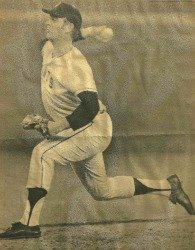
Preventing baseball arm injuries becomes pretty simple when you find out the causes and reasons that lead to injuries in baseball.
Avoiding the situations that put pitchers at risk of pitching injury is the key. Knowing baseball fundamentals and youth baseball rules helps too.
Having plenty of pitchers on your team is another safety feature. I recommend at least 4 pitchers per age year on every team. The more the better--give everyone a chance to pitch.
Pitch Count & Prevention of
Injuries Recommendations
- Baseball players are advised to not pitch for more than one team simultaneously to avoid pitching injury. Baseball Arm injuries in baseball increase when pitchers pitch on multiple teams.
- Baseball players are advised to skip youth baseball showcases especially for pitchers. Youth baseball injuries increase the risk of joint injury when trying to overthrow and impress baseball scouts.
- Avoid the urge to return a pitcher to the mound later in the game after they have been removed even though youth baseball rules allow for this. Baseball pitcher injuries can be the result.
- Pitchers with proper pitching mechanics, pitching techniques, and baseball pitching drills reduce wear and tear on their pitching arms. Have a knowledgeable pitching instructor at an early age to learn the baseball fundamentals.
- Poor pitching mechanics and baseball pitching techniques along with throwing curveballs at an early age appears to increase the risk of youth pitching injuries. Injuries in baseball can be easily decreased when properly teaching baseball fundamentals.
- Youth baseball injuries can be decreased by taking a 3 month break from hard overhand throwing during the year. The arm joints need a length of time to recover and rest. Professional baseball players call this the off-season.
- Develop multiple pitchers. Do not rely on a couple of pitchers for the entire season. Have three or four pitchers per age year at least on your pitching staff. Arm injuries and pitching injuries will increase if you only pitch one or two pitchers all the time.
Don’t forget that these same two pitchers are probably playing shortstop and catcher too. This further puts these players at risk of baseball injuries.
Youth Sports Baseball Pitch Counts
If a player is complaining of an arm baseball injury from pain in the elbow or shoulder of the throwing arm then a period of rest is highly recommended. The player should be immediately taken out the game.
If the arm injuries pain persists over more than several days or reoccurs while pitching again, then medical attention should be sought.
Baseball Arm injuries in baseball can be avoided when the adults have knowledge of how to prevent baseball injuries.
USA Baseball Medical & Safety Advisory Committee Pitch Count Recommendations.
Recommended youth league pitch counts for 9-10 yr olds and little league players.
- 50 pitches per game
- 75 pitches per week
- 1000 pitches per season
Recommended youth league pitch count for 11-12 yr olds and little league pitch counts.
- 75 pitches per game
100 pitches per week
• 1000 pitches per season
• 3000 pitches per year
Recommended youth league pitch counts for 13-14 yr olds.
- 75 pitches per game
• 125 pitches per week
• 1000 pitches per season
• 3000 pitches per year
Most high school baseball leagues have weekly inning limits for pitchers usually around 10 innings per week to help coaches avoid baseball arm inuries by over-throwing pitchers.
Coaches have to monitor individual pitch counts. One hundred pitches per game are about enough for one days work although that is not in the youth baseball rules.
Pitch counts are kept for live game pitches. These recommendations do not count warm-ups, practice bullpen sessions, and other throws when playing and practicing other positions.
Pitching Checklist
Return to Pitching 101 from Baseball Arm Injuries
Baseball Impossible: Player Development Make-Over
Build Your Own Culture of Player Development
&
Increase Your Players FUN Level
6-DVD Video Set Building Your Complete Player Development System
Click to Order
Audio CD Format Click Here
Coaching 6-DVD Box Set
Yes Dave, I Want to Help My Players Enjoy the GAME
Coaching little league baseball & youth baseball can be a blast or could be a Tough Gig.
Who in their right mind would come back year after year and have teasing baseball practice and never improve their baseball skills? and get welled at by adults?
Baseball Coaching Videos: Watch over 6 hours of tips on coaching approach, style, philosophy, and my unique player development system.
Youth baseball carers are short-lived so lets make it count for our players. What do players really want out of playing baseball?
I want to find out more about the 6 DVD Player Development System
How to
Jump-Start Your Coaching Skills
"5 Steps to Ultimate Baseball Coaching Excellence"
Who: All baseball & softball coaching age levels
What: Teaches approach, philosophy, practice planning, drills, game management, communication skills, player development methods, and more. No other course compares.
5 Steps to Ultimate Baseball Coaching Excellence
Order Now
High Tempo© Baseball Development Systems
New innovative, accelerated youth baseball practice and competitive game format made to increase player development and the kids have a blast.
High Tempo© Baseball Development Systems
Phase I: High Tempo© Team Practice System
Phase II High Tempo© Competitive Game Modification System
Order Now
3 Course Bundle...Best Value
Downloadable eBooks
Check out these vitally important eBooks to include in your coaching library.
"Time to Shine: My Baseball Coaches Practice System 7 Year Plan to Help Kids Reach HS Baseball
"Build Your Ultimate Culture of Hitting"
Take a look at all the coaching products that will make your coaching experience top of the line and help bring your player's enjoyment level much higher.

Hey, I just want to take a second to thank you for stopping by and visiting coach and playing baseball.com. Thanks for your service to baseball and our youth. We as adults have a special privilege and enormous responsibility to deliver to our baseball youth today.
Remember, "How a leader is more important than what a leader knows." American Express
I hope there is something you can take away from here that is helpful to your scope of practice, whether you are a player, coach, parent or administrator.
Please share and pass on my link to others in the game that would benefit. Thanks Again!
Blessings
