Hey Friends ... sign up for my newsletter and get my
FREE Practice Checklist
How to Coach Youth Baseball:
Measuring Success
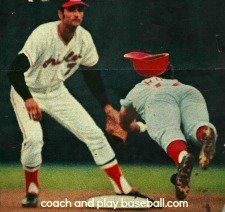
The Question: How to coach youth baseball? Absolutely covers a lot of ground.
Using the ultimate goal of what is best for the players makes the answer much more easy to find.
What approach do coaches and parents take in order to make youth baseball the best for the players?
Players from professional baseball all the way down to tee-ball want to have an enjoyable experience playing baseball.
What is Best for the Players?
What Do Players Want to Get Out of Playing Baseball?
When preparing to coach and asking the question How to coach youth baseball keep in mind the players perspective on playing youth baseball.
Why do kids play baseball? What are they really looking for? What do the kids want out of the baseball playing experience?
- Are youth baseball players looking to be with friends and make some new friends?
- Are youth baseball players seeking to a part of a team? A member of a group that sticks up for their teammates?
- Do youth league baseball players want to be able to play the game well? Have some success playing the game?
- How much importance do players put on improving their skills?
- Do youth ball players want to recognized for accomplishments on the field?
- How important is it that baseball practice fosters a learning environment with opportunities to enjoy playing and building a love for the game?
- Does the young baseball player want to be reprimanded for every single little mistake or boo-boo?
The Importance of Winning Ballgames
A study was done recently where youth baseball players were asked in a survey to rank the reasons that they feel leads them to play baseball.
Out of 20 items on the list do you know where winning finished?
Winning Is Not Always Pretty
How Many Are Signing Up Next Year?
Have you ever observed a baseball team that won every game, beat up everyone they played but the kids and parents were miserable? From the outside the amount of wins appears to show someone who knows how to coach youth baseball.
Yes, we have coaches in youth baseball that have trophy shelves full of 1st place finishes. They won the t-ball league, moved up and won the 9-10 year old pennant. And on and on. But, they may have failed to follow what is best for the players.
Just because a youth baseball team wins a bunch of games that is no guarantee that player development was taking place. In fact, players could be pretty miserable with the wrong kind of coaching approach.
Often a team that goes 9-7, 8-8 or 7-9 might have had a better overall experience than the team that went 16-0. If the baseball coaches and instructors do a really good job, that 8-8 team might have just about every player wanting to sign up again next year.
While the 16-0 team, although winning lots of games, might have been miserable and lacking the growth, player development and satisfaction that players and parents really want out of youth baseball.
Is it the Kids Who Want to Win the Pennant or the Coaches? Parents?
Who really wants to win the pennant? The coaches and parents or the baseball players?
- Do baseball players have as their number one goal in youth baseball to win?
- Where does winning fit in the list of goals of baseball adult parents and coaches?
- If youth baseball was like sandlot ball would the adults still feel that winning was really, really important?
- Do youth baseball coaches an parents measure their player's merits and accolades depending on winning and losing ballgames.
- Should youth baseball mimic professional and college baseball and put winning at the top of the list?
To find answers to this discussion I welcome you to go deeper into the topics here.
Measuring Success on Something Besides Wins
How to Coach Youth Baseball
My player development model has a place for winning. My model has plenty of room for additional components too.
No matter how many wins your ball team ends up with at the end of the season there is one thing you would like to hear.
How many of the players on the team will say, “Wow, that was an awesome season. I cannot wait till we start again and sign up for next year.” The true measurement of success!
Return to Baseball Coach Tips from How to Coach Youth Baseball
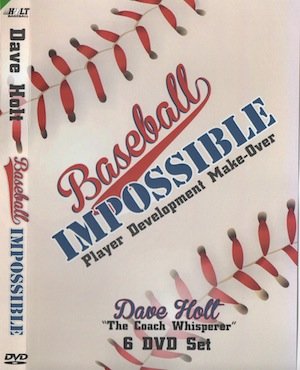
Baseball Impossible: Player Development Make-Over
Build Your Own Culture of Player Development
&
Increase Your Players FUN Level
6-DVD Video Set Building Your Complete Player Development System
Click to Order
Audio CD Format Click Here
Coaching 6-DVD Box Set
Yes Dave, I Want to Help My Players Enjoy the GAME
Coaching little league baseball & youth baseball can be a blast or could be a Tough Gig.
Who in their right mind would come back year after year and have teasing baseball practice and never improve their baseball skills? and get welled at by adults?
Baseball Coaching Videos: Watch over 6 hours of tips on coaching approach, style, philosophy, and my unique player development system.
Youth baseball carers are short-lived so lets make it count for our players. What do players really want out of playing baseball?
I want to find out more about the 6 DVD Player Development System
How to
Jump-Start Your Coaching Skills
"5 Steps to Ultimate Baseball Coaching Excellence"
Who: All baseball & softball coaching age levels
What: Teaches approach, philosophy, practice planning, drills, game management, communication skills, player development methods, and more. No other course compares.
5 Steps to Ultimate Baseball Coaching Excellence
Order Now
High Tempo© Baseball Development Systems
New innovative, accelerated youth baseball practice and competitive game format made to increase player development and the kids have a blast.
High Tempo© Baseball Development Systems
Phase I: High Tempo© Team Practice System
Phase II High Tempo© Competitive Game Modification System
Order Now
3 Course Bundle...Best Value
Downloadable eBooks
Check out these vitally important eBooks to include in your coaching library.
"Time to Shine: My Baseball Coaches Practice System 7 Year Plan to Help Kids Reach HS Baseball
"Build Your Ultimate Culture of Hitting"
Take a look at all the coaching products that will make your coaching experience top of the line and help bring your player's enjoyment level much higher.

Hey, I just want to take a second to thank you for stopping by and visiting coach and playing baseball.com. Thanks for your service to baseball and our youth. We as adults have a special privilege and enormous responsibility to deliver to our baseball youth today.
Remember, "How a leader is more important than what a leader knows." American Express
I hope there is something you can take away from here that is helpful to your scope of practice, whether you are a player, coach, parent or administrator.
Please share and pass on my link to others in the game that would benefit. Thanks Again!
Blessings
